



APS framework helps turbine-powered airplane operators compare pilot upset training options, assess providers, and make more informed Loss of Control In-flight (LOC-I) risk-control decisions.
Mesa, Arizona — June 9, 2026 — Aviation Performance Solutions (APS) today announced the release of a new executive decision resource designed to help leaders of turbine-powered fixed-wing flight operations evaluate pilot upset training options more effectively.
The complimentary resource introduces APS's Four-Level UPRT Delivery Architecture Decision Framework and UPRT Provider Evaluation Checklist. Together, the tools help directors of aviation, chief pilots, safety managers, and training decision-makers compare Upset Prevention and Recovery Training (UPRT) architectures and align training investments with operational risk.
Loss of Control In-flight (LOC-I) remains one of aviation's most persistent fatal threats. While most operators recognize the value of upset training, many still face a difficult question: Which training architecture best aligns with their aircraft, mission profile, operating environment, pilot experience, and safety-management objectives?
The resource compares the structural potential of different UPRT architectures while separating architecture from delivery quality. It is intended to help flight department leaders evaluate training solutions before committing resources, selecting providers, or integrating UPRT into their broader safety-management strategy.
“Few training decisions carry more direct safety risk-management significance for turbine-powered fixed-wing operators than upset training,” said Paul “BJ” Ransbury, CEO of APS. “Loss of Control In-flight remains aviation’s most persistent fatal threat. The challenge for flight department leaders is not determining whether upset training has value, but understanding which training architecture offers the greatest potential to reduce LOC-I risk for their operation. This framework was developed to support that decision.”
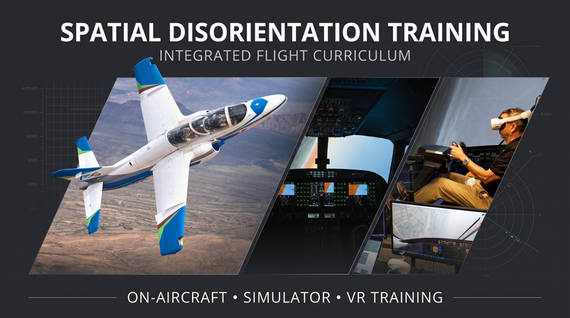
The framework organizes UPRT into four levels: underlying pilot certification, advanced simulation UPRT, all-attitude on-aircraft UPRT, and class-matched integrated UPRT. It is provider-agnostic and grounded in regulatory guidance, OEM recommendations, human-factors research, and applied UPRT implementation experience.
The framework estimates the maximum risk-mitigation potential of each UPRT architecture level and tier by cross-referencing regulatory guidance, industry resources, human-factors research, and applied UPRT experience, while recognizing that actual training value depends on delivery excellence, including instructional quality, integration, operational relevance, recurrence, and execution.
The complimentary four-page executive decision resource includes:
• Four-Level UPRT Delivery Architecture Overview
• Executive UPRT Decision Matrix
• UPRT Provider Evaluation Checklist
• Guidance for Turbine-Powered Fixed-Wing Operators
APS developed the resource as part of its ongoing War on LOC-I initiative and its commitment to advancing effective UPRT through the Every Pilot In Control Solution Standard™ (EPIC-S2™).
Download the complimentary Executive Decision Resource at: https://www.apstraining.com/architecture