




A strong safety culture is the foundation of every high-performing flight department. It shapes how teams communicate, make decisions, and respond to operational pressures. Even in organizations with a long-standing commitment to safety, culture is not static. The operational environment is continually changing as regulations evolve, technology advances, operational schedules change, and the risk landscape shifts. Maintaining a healthy, resilient safety culture requires ongoing attention, honest evaluation, and a willingness to adapt.
As the FAA’s expanded Part 5 SMS requirements move toward finalization, operators across the industry are working to understand and implement a compliant Safety Management System or, if they already have one, to reassess how effectively it supports their operations and underlying safety culture. At its core, SMS provides a structured framework to identify hazards, manage risk, monitor performance, and continuously improve. Its effectiveness depends on how accurately it reflects day-to-day operations, how deeply it is embraced across the organization, and how consistently it is reviewed and strengthened over time. When integrated thoughtfully, SMS becomes part of an organization’s DNA. While it still requires consistency and dedication, the process becomes smooth and sustainable and makes all the difference in achieving excellence in safety. Below are some of the ways that successful flight departments ensure excellence is inevitable.
Use SMS as a Tool for Alignment, Not Just Compliance
A mature safety culture depends on more than documented processes. It requires alignment between what the organization says it values and what actually happens in daily operations. SMS provides the backbone for this alignment: clear policies, transparent reporting channels, repeatable processes, and systematic risk management. But as operators grow, diversify, and encounter new challenges, those systems must evolve as well.
Continuous review is therefore essential. A Safety Management System that worked well five years ago may not fully address today’s operational risk picture, especially as expectations for hazard identification, fatigue risk management, data use, and safety assurance become more sophisticated. Regularly evaluating the structure and performance of SMS helps operators stay proactive rather than reactive, strengthening both compliance and culture.
Build Competency, Not Just Documentation
An often-overlooked component of a strong safety culture is pilot competency in high-risk, low-frequency events. While documentation and processes are key elements of SMS, they cannot fully mitigate the most severe operational hazards on their own. One of these hazards, Loss of Control In-flight (LOC-I), remains aviation’s leading cause of fatalities worldwide.
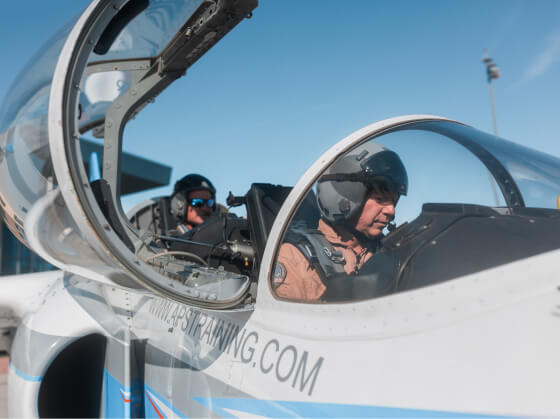
Effective SMS programs recognize that mitigating high-consequence risks requires more than awareness; it requires demonstrated pilot capability. This is where Upset Prevention and Recovery Training (UPRT) becomes an important element of a comprehensive safety strategy. UPRT equips pilots with the skills needed to recognize and recover from developing upsets, manage startle and surprise, and respond effectively to dynamic aircraft behavior across a wide range of flight conditions.
Incorporating competency-based training into SMS aligns with global guidance and reinforces a safety culture that values real-world proficiency, not just procedural compliance. When pilots are prepared to manage the most serious threats they may encounter, the entire operation benefits from improved confidence to enhanced resilience across all phases of flight.
Seek Visibility Through Honest Evaluation
No organization is immune to blind spots. Even teams with strong communication and high trust can develop assumptions about how well processes are working or how consistently procedures are followed. That’s why an evolving safety culture depends on both internal reflection and external perspective.
Internal evaluations such as audits, surveys, and procedural reviews provide crucial insights into how SMS functions day-to-day. They help leaders understand where policies succeed, where clarity is needed, and how safety behaviors are reinforced.
External assessments offer an additional layer of value. By bringing in objective perspectives, operators can gain visibility into areas that may be harder to see from the inside. Third-party evaluations can validate strengths, identify improvement opportunities, and help ensure that systems are aligned with current best practices. Whether conducted through structured auditing tools or facilitated programs, these assessments often spark productive conversations and reinvigorate a culture of continuous improvement.
The APS Commitment to Continuous Improvement

At APS, we believe deeply in the importance of an honest and evolving safety culture. For example, we are currently completing a structured SMS Gap Analysis using third-party evaluation tools. This process is helping us confirm alignment between our documented systems, daily operations, and organizational priorities. It also reflects our commitment to modeling the same proactive approach we encourage across the industry: no matter how strong an organization’s safety foundation may be, there is always value in reassessment, learning, and refinement.
Continuous improvement is a mindset. It reflects a belief shared across our team that safety culture is never finished. It grows, adapts, and strengthens when deliberately nurtured.